
Experiential Tourism in Ecuador: A Different Way to Travel Through Cacao, Flowers, and Local Communities
Explore experiential tourism in Ecuador through cacao farms and flower plantations. Discover authentic travel experiences that support local communities.
Gonzalo Román Serrano
5/4/20264 min read
There’s a difference between visiting a place and actually experiencing it.
Most traditional travel is built around movement—arriving, seeing, photographing, and moving on. But for many travelers today, that’s no longer enough. There’s a growing desire to slow down, to understand, and to connect with what’s behind each destination.
That’s where experiential tourism comes in.
It’s not about adding more activities to your itinerary. It’s about changing the way you travel. Instead of observing from the outside, you step into the process. You engage with people, with their work, and with the story behind what you’re seeing.
And in Ecuador, that kind of experience feels especially natural.
This is a country known for its biodiversity, but what often goes unnoticed is its productive landscape—what grows here, how it’s made, and who makes it possible. Two of the clearest examples are cacao and flowers.
Where chocolate really begins
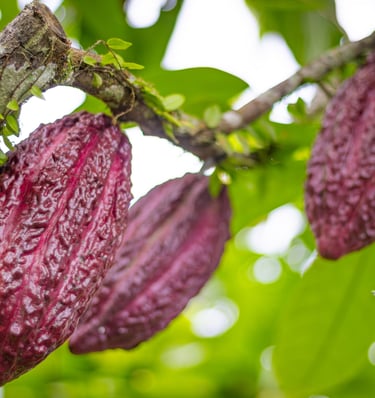
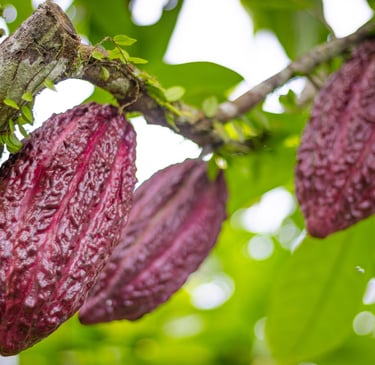
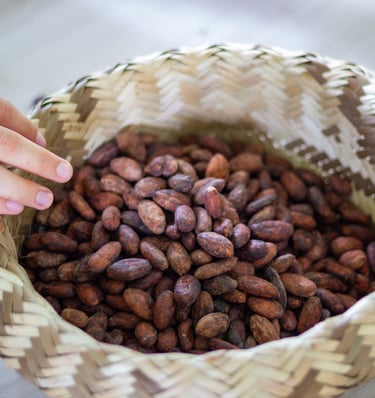
Ecuador is one of the world’s leading producers of fine aroma cacao, a variety known for its quality and flavor.
But that’s only part of the story.
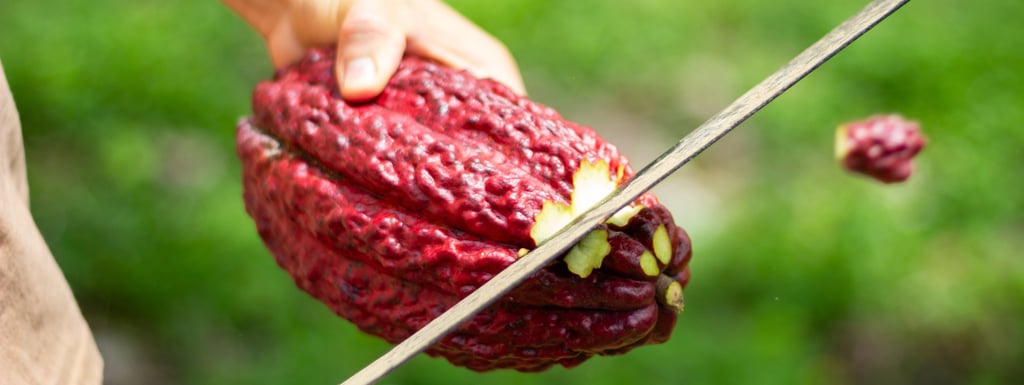
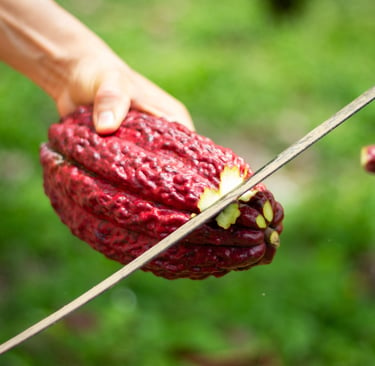
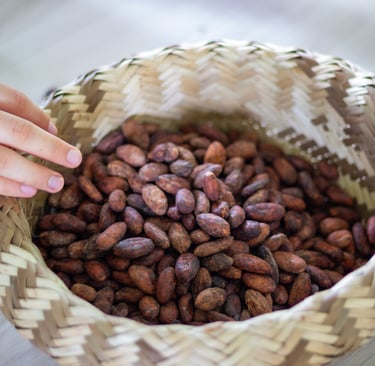
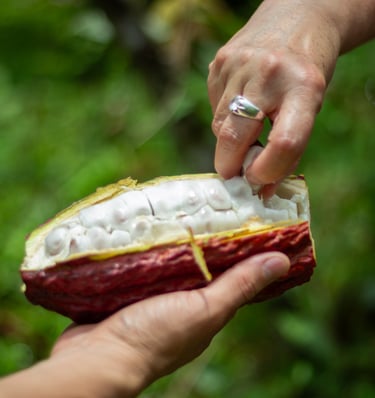
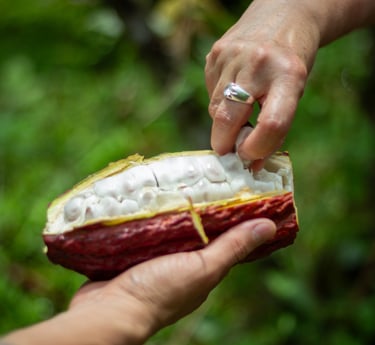
When you visit a cacao farm, you begin to understand everything that happens before chocolate reaches a shelf. You walk through the plantation, open a cacao pod, taste the fruit, and follow the process from fermentation to drying.
More importantly, you meet the people behind it.
What might seem like a simple product suddenly becomes something else entirely—a result of time, knowledge, and care. And when you’re part of that process, even briefly, it changes how you see it.
Beyond the bouquet: Ecuador’s flower industry
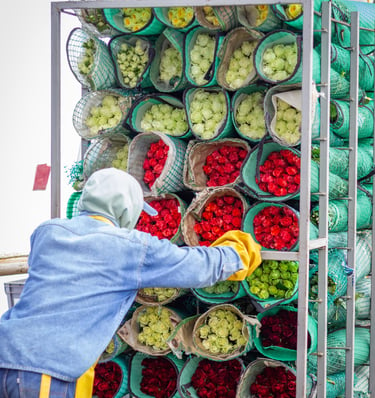
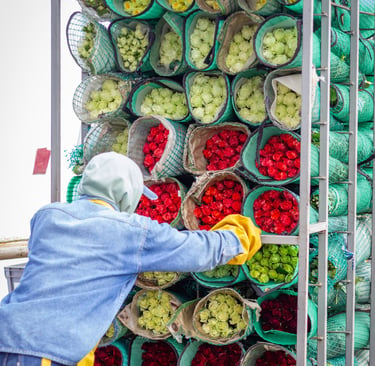
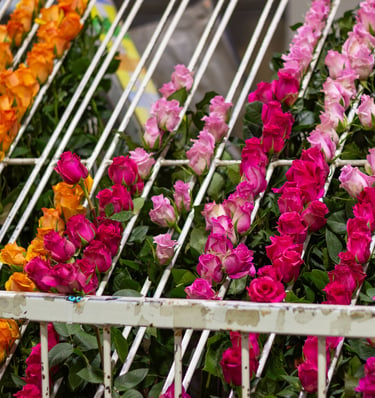
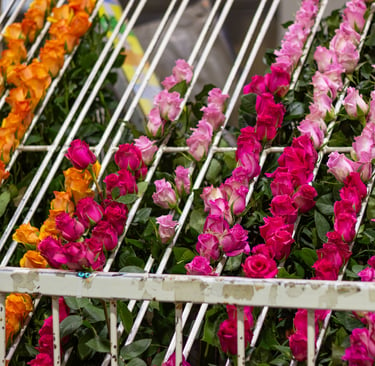
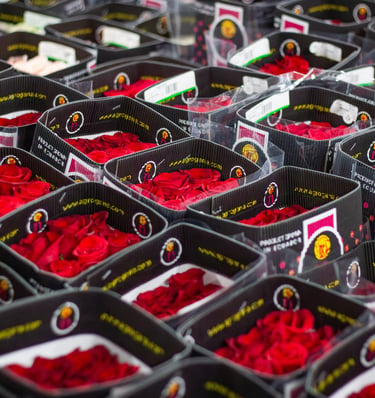
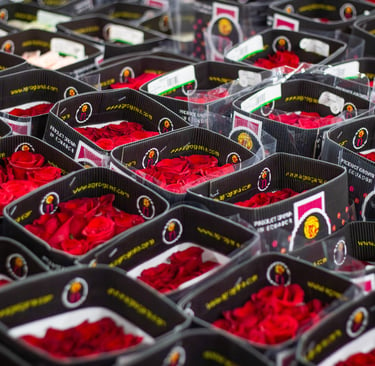
Ecuador is also one of the largest exporters of flowers in the world, particularly roses grown at high altitude.
Yet most people only encounter them at the final stage—beautiful, arranged, and ready to buy.
Visiting a flower farm reveals everything in between.
Inside the greenhouses, every detail is controlled: light, temperature, hydration, timing. The process is precise, technical, and deeply human at the same time.
Seeing how a flower moves from cultivation to international markets adds a new layer of understanding. It’s no longer just something aesthetic—it’s the result of an entire system working together.
Why this kind of travel matters
Experiential tourism isn’t just meaningful for travelers—it also creates real opportunities for local producers.
For many small-scale farmers, income has traditionally depended on intermediaries. That often limits margins and long-term stability. Opening their doors to visitors introduces a different kind of value—one that is direct, personal, and more sustainable.
They’re no longer only selling a product. They’re sharing knowledge, process, and perspective.
And that shift matters.
Because every visit also supports a wider network—transportation, local food, guides, and nearby businesses. What begins as a single experience often extends into a broader local economy.
A more intentional way to travel
For travelers, this kind of experience tends to stay longer.
Not because it’s more “exciting,” but because it’s more real.
You don’t just remember what you saw—you remember who you met, what you learned, and how it changed your understanding of something familiar.
That’s what experiential tourism offers: a different kind of connection.
And over time, it shapes the way people choose where to go and how to travel.
A shift in how we explore the world
This isn’t a passing trend. It reflects a broader shift toward more conscious, experience-driven travel.
Less focus on volume. More focus on meaning.
Less distance. More connection.
Ecuador, with its diversity and strong local production, is uniquely positioned to offer that.
The landscapes draw you in.
The people and their work are what stay with you.
Closing the circle
Experiential tourism works because it creates value on both sides.
Travelers gain something real.
Producers access new opportunities.
Communities benefit from shared growth.
And when those elements align, travel becomes more than movement—it becomes something that leaves a lasting impact.
Experience it with Sentia
At Sentia, we design experiences that connect you with the origin.
If you’re looking to go beyond traditional tourism and explore Ecuador through cacao, flowers, and the people behind them, this is where it starts.
Get in touch and experience a more meaningful way to travel.