Authentic experiences from the source in Ecuador
Among Greenhouses & Roses – Mulaló
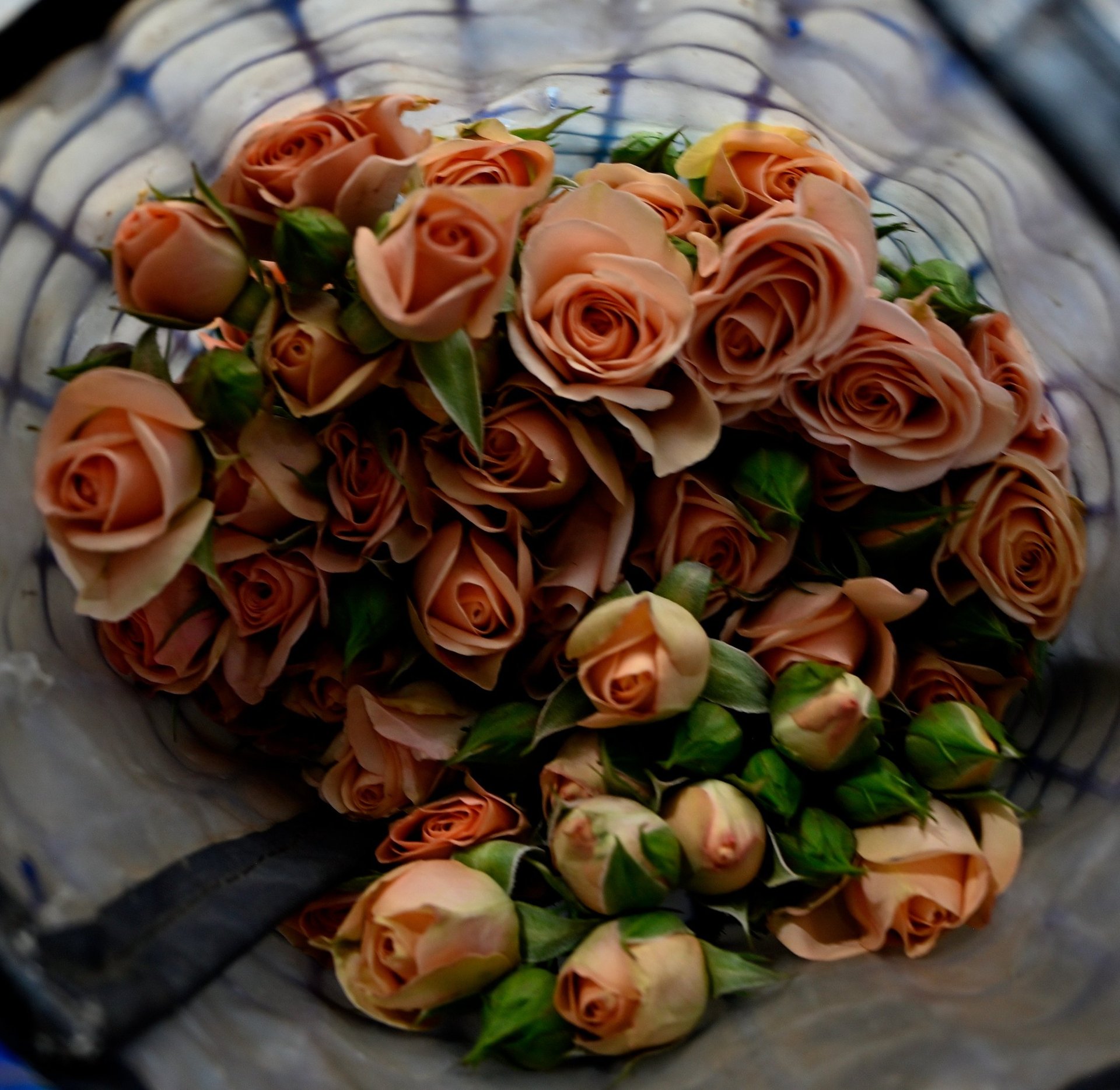
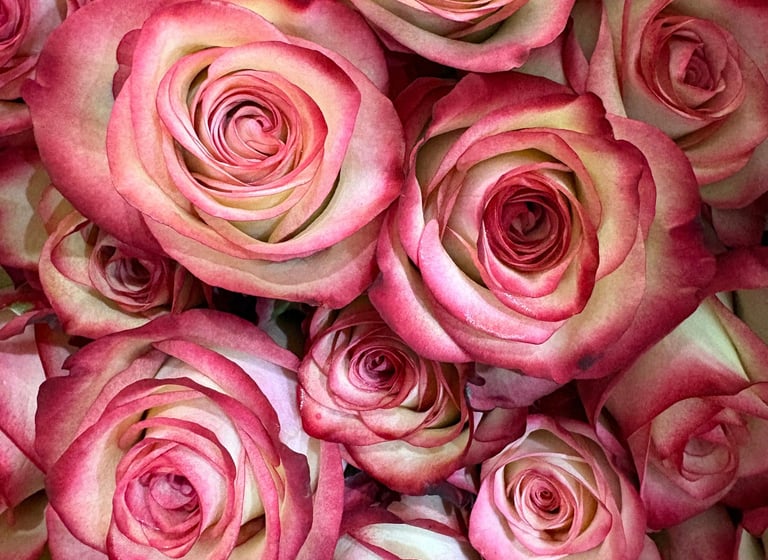
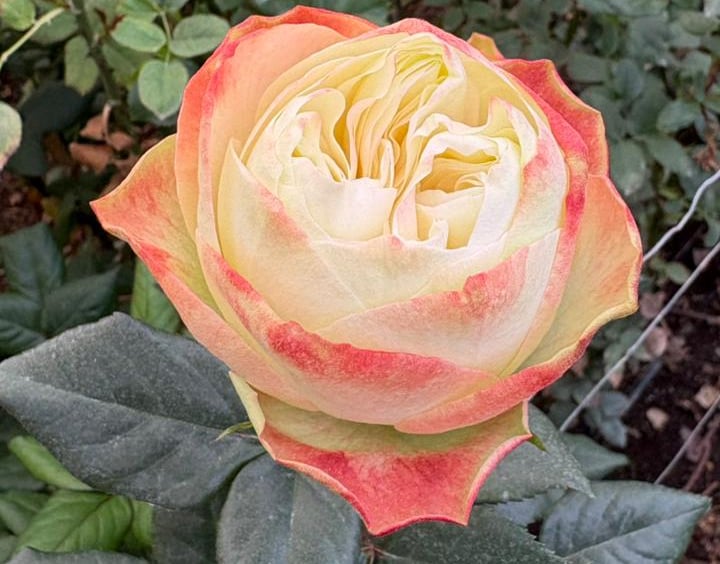
In the flower-growing valleys of the Ecuadorian highlands, at nearly 3,000 meters above sea level (9850 ft), a unique combination of light, altitude, and climate creates the perfect conditions for cultivating world-class roses.
These natural advantages have positioned Ecuador as one of the leading producers of premium flowers worldwide.
The Setting
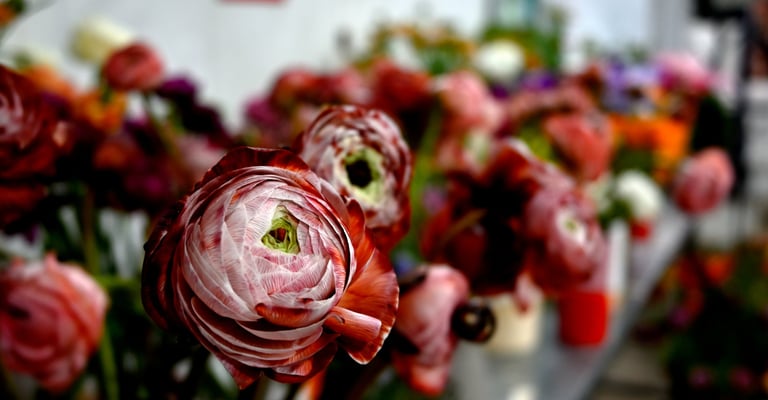
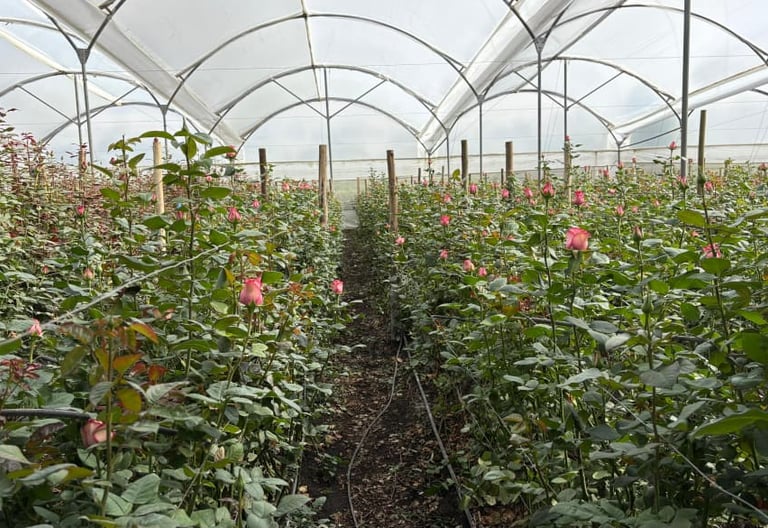
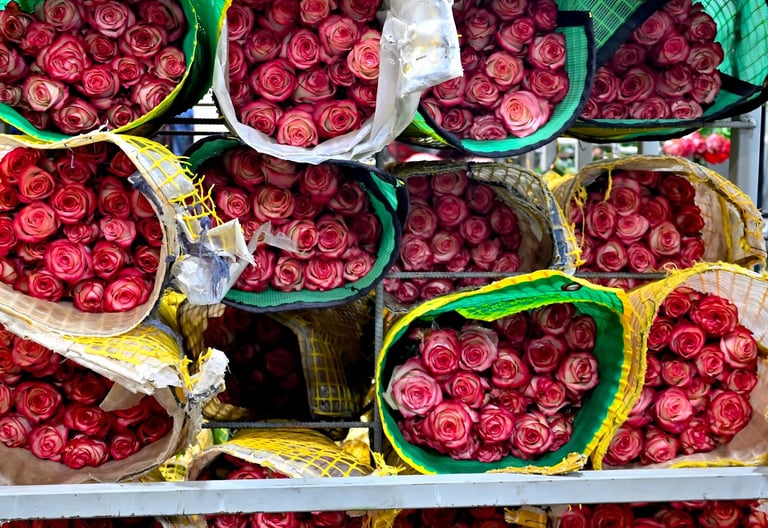
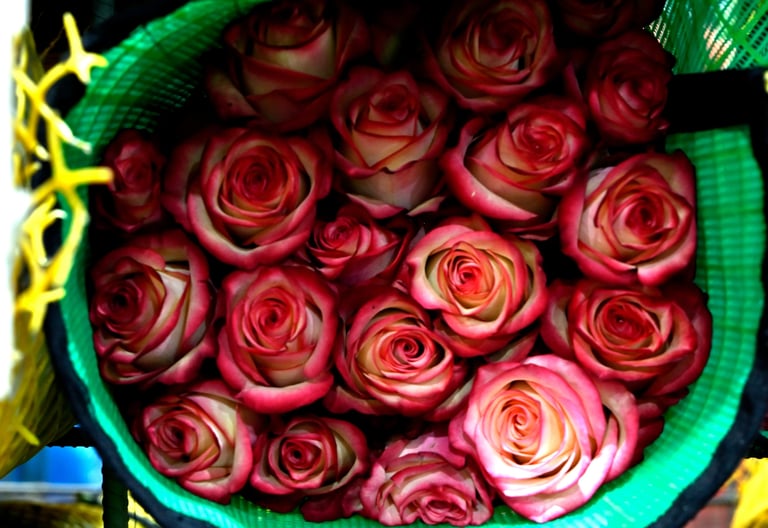
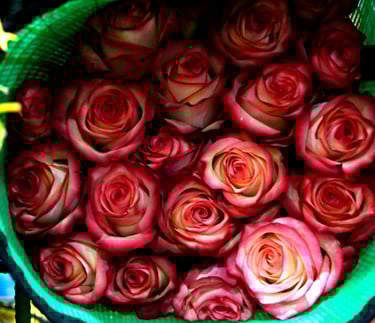
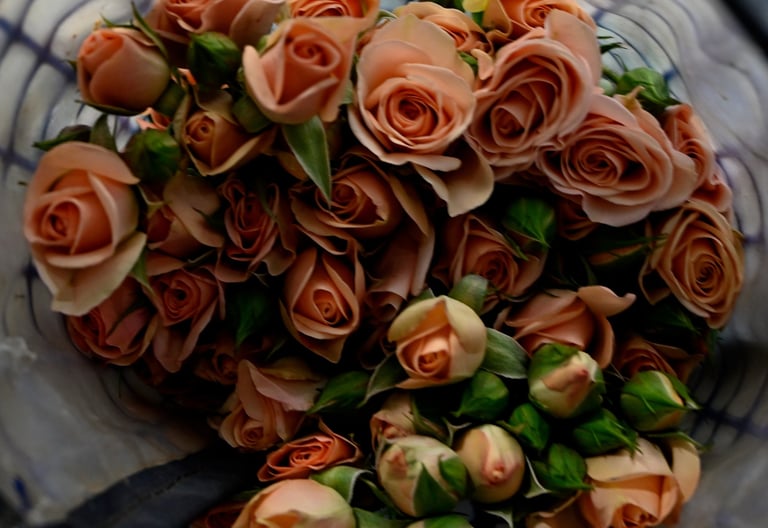
During the experience, we visit two working rose farms to explore the full journey of export-quality roses.
You’ll walk through harvesting and post-harvest areas, where flowers are carefully selected, graded, and prepared for international markets.
Along the way, you’ll also discover the differences between flowers grown for local markets and those that meet export standards.
The Process
The Experience
This visit offers a closer look at the craftsmanship behind every bouquet that travels from Ecuador to the world.
We’ll also take a moment to pause, enjoy the surroundings, and share a light refreshment at the end of the journey.

How to Join
Private experience for groups of 4 or more
Contact us for scheduled departures if you’d like to join individually
Round-trip transportation included (Quito – Mulaló)
Scenic stop with a light refreshment
$75 per person
Where Time Shapes Cheese – Pasochoa
The Experience
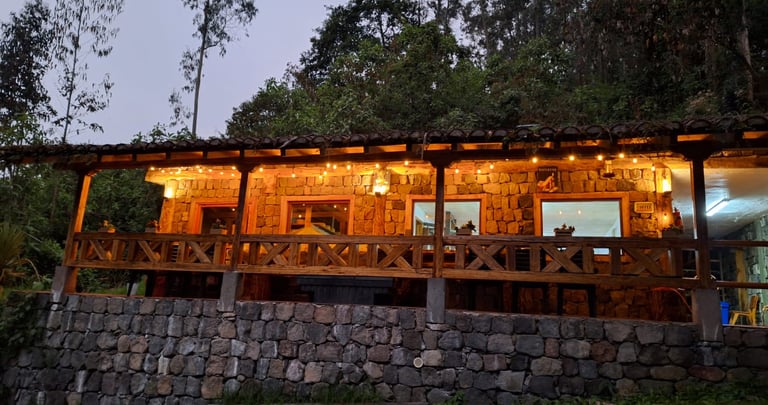
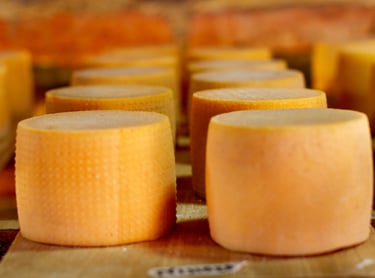
High in the mountains, where the climate shifts gently throughout the day, cheese matures at its own pace
Here, nothing is rushed or industrialized—the process is guided by observation, care, and time.
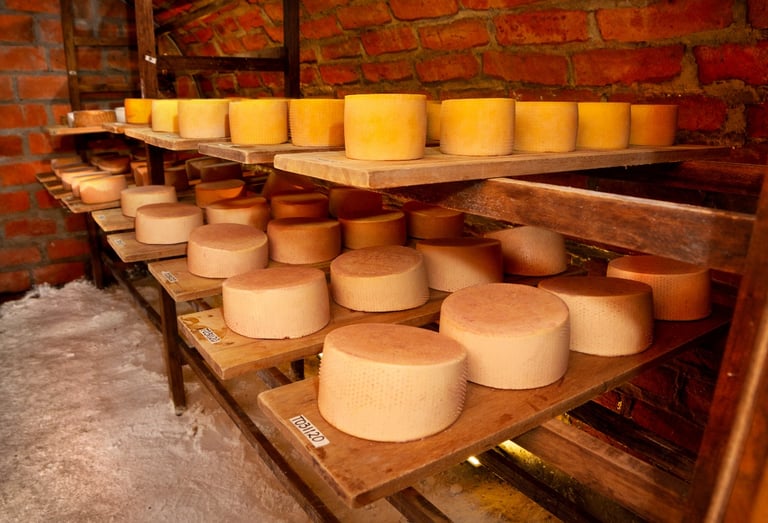
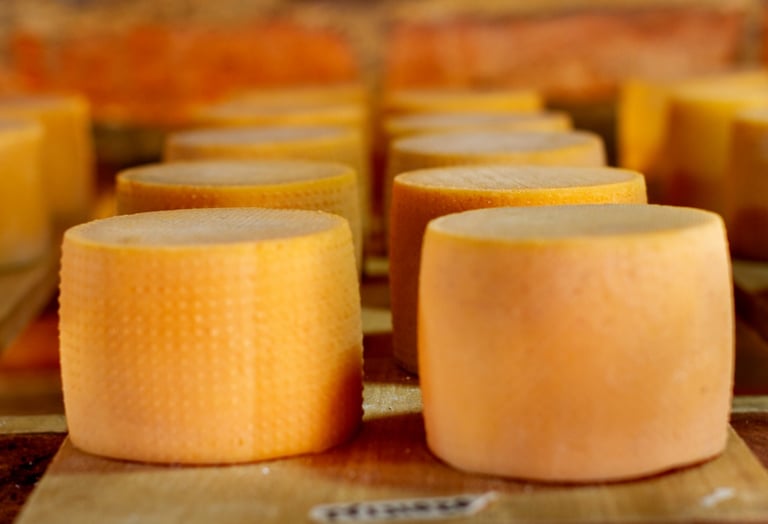
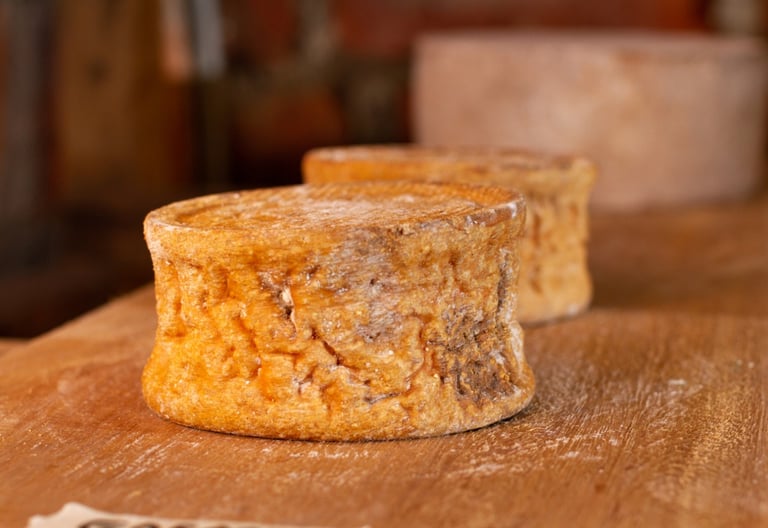
Production is limited, and each wheel evolves slowly, developing its own texture, aroma, and character
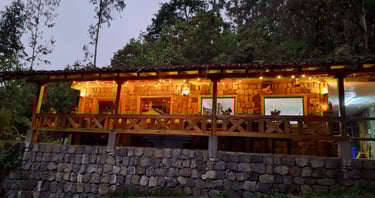
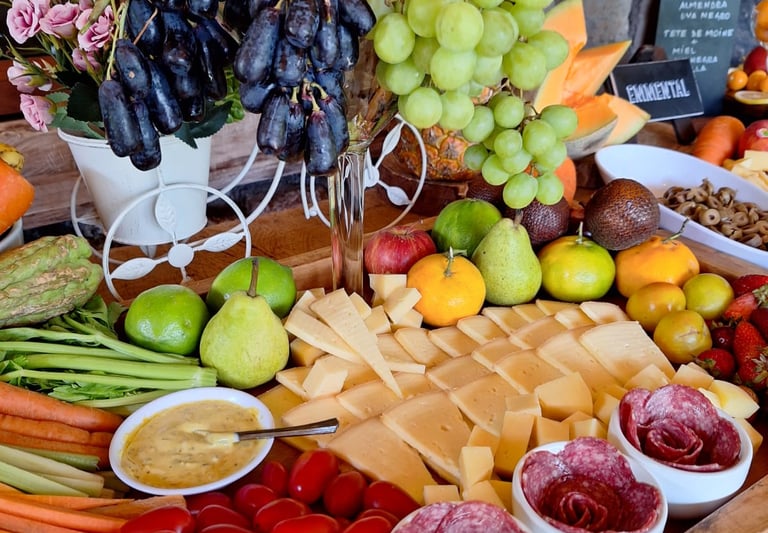
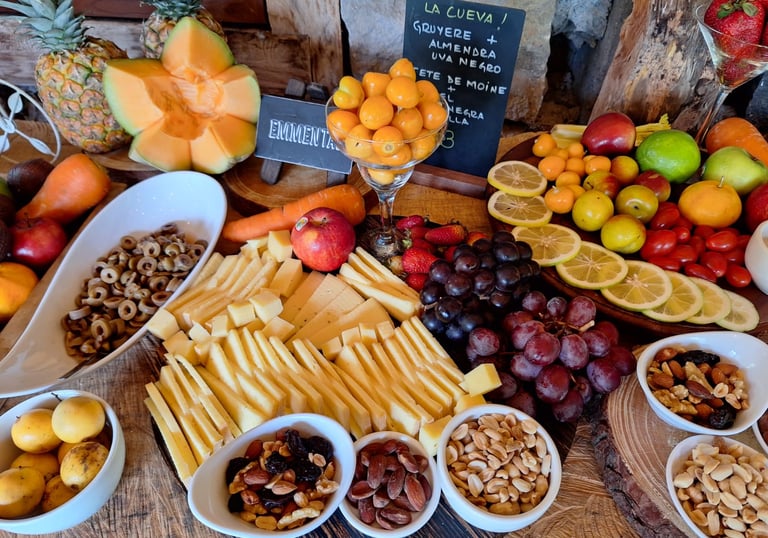
What You’ll Experience
Guided tour with a master cheesemaker
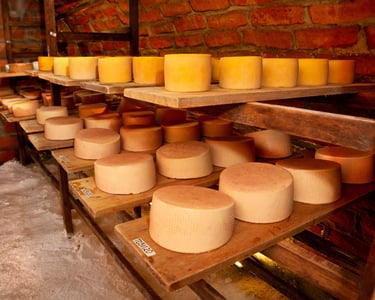
Access to the maturation cave
Guided cheese tasting
Wine pairing
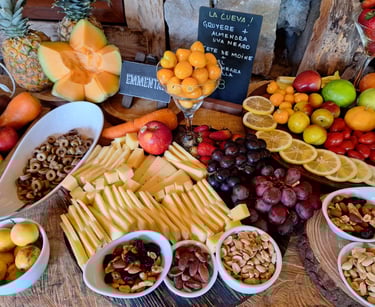
Fresh fruits and artisanal products to enjoy
The Craft
Guided by a master cheesemaker, you’ll explore every stage of the process—from transforming fresh milk to aging cheese on wooden shelves inside a maturation cave.
Along the way, you’ll discover how time and humidity shape distinctive varieties such as Chusalongo, known for its creamy texture and defined flavor, and Ayauma, firmer with a deeper, more complex profile
The Tasting
The experience culminates in a guided tasting of cheeses at different stages of maturation
You’ll sample selections like the aromatic Pianto and a local version inspired by Tête de Moine, paired with wine and a curated selection of fresh, artisanal products designed to highlight each flavor profile
How to Join
Private experience for small groups (8 to 15 people)
Ask about scheduled departures if you’d like to join individually
Round-trip transportation included (Quito – Pasochoa)
Check availability and dates
$92 per person
From Cherry to Cup – Nanegalito
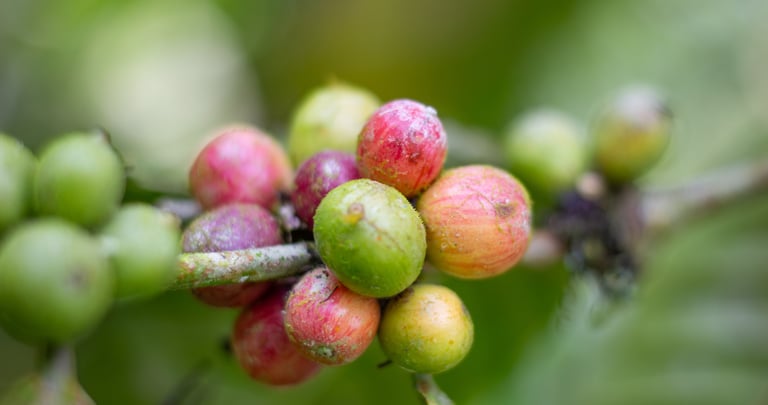
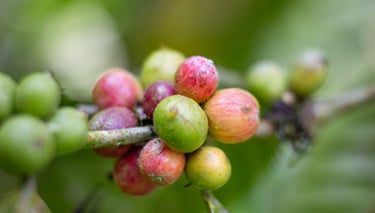
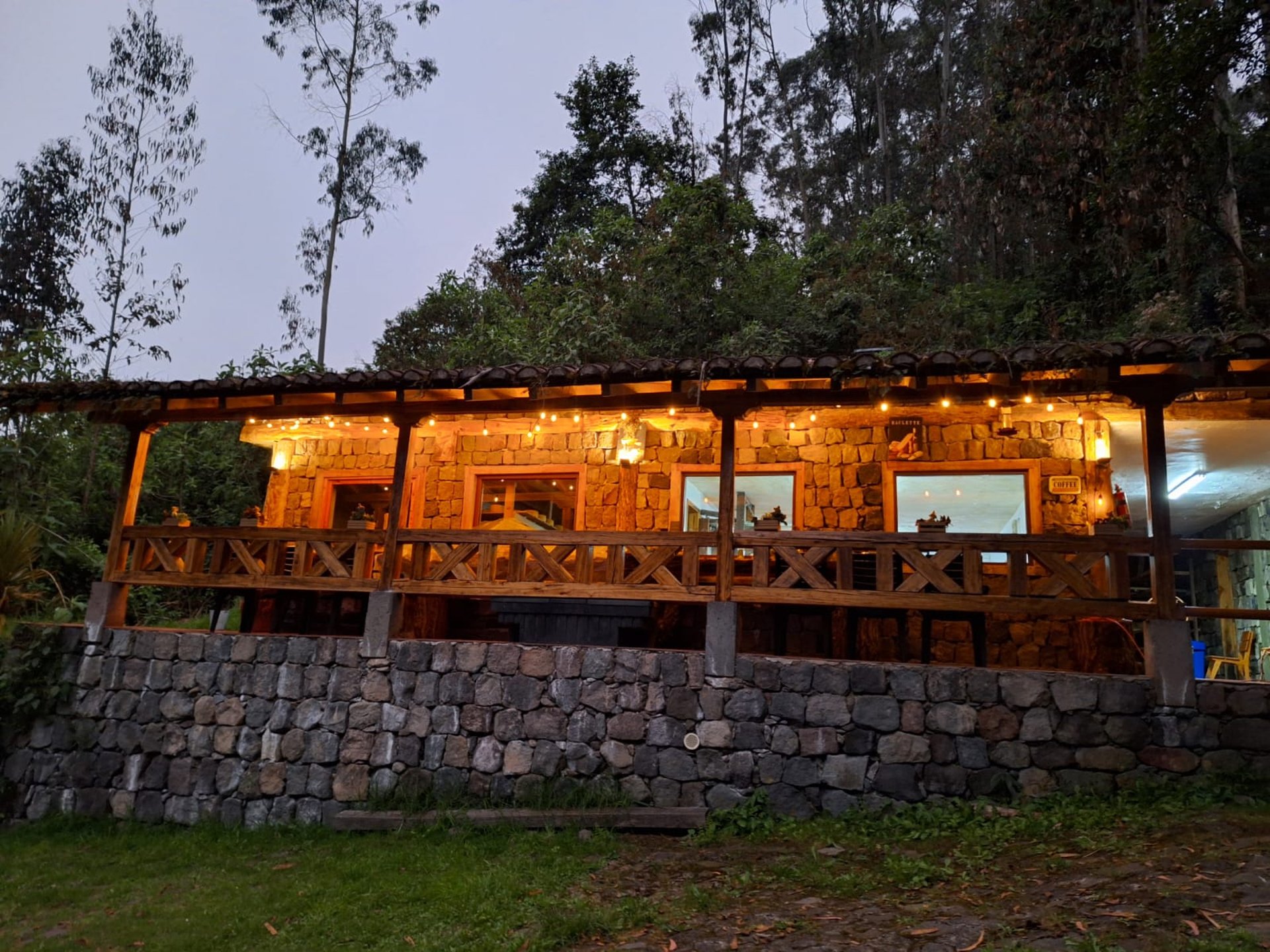
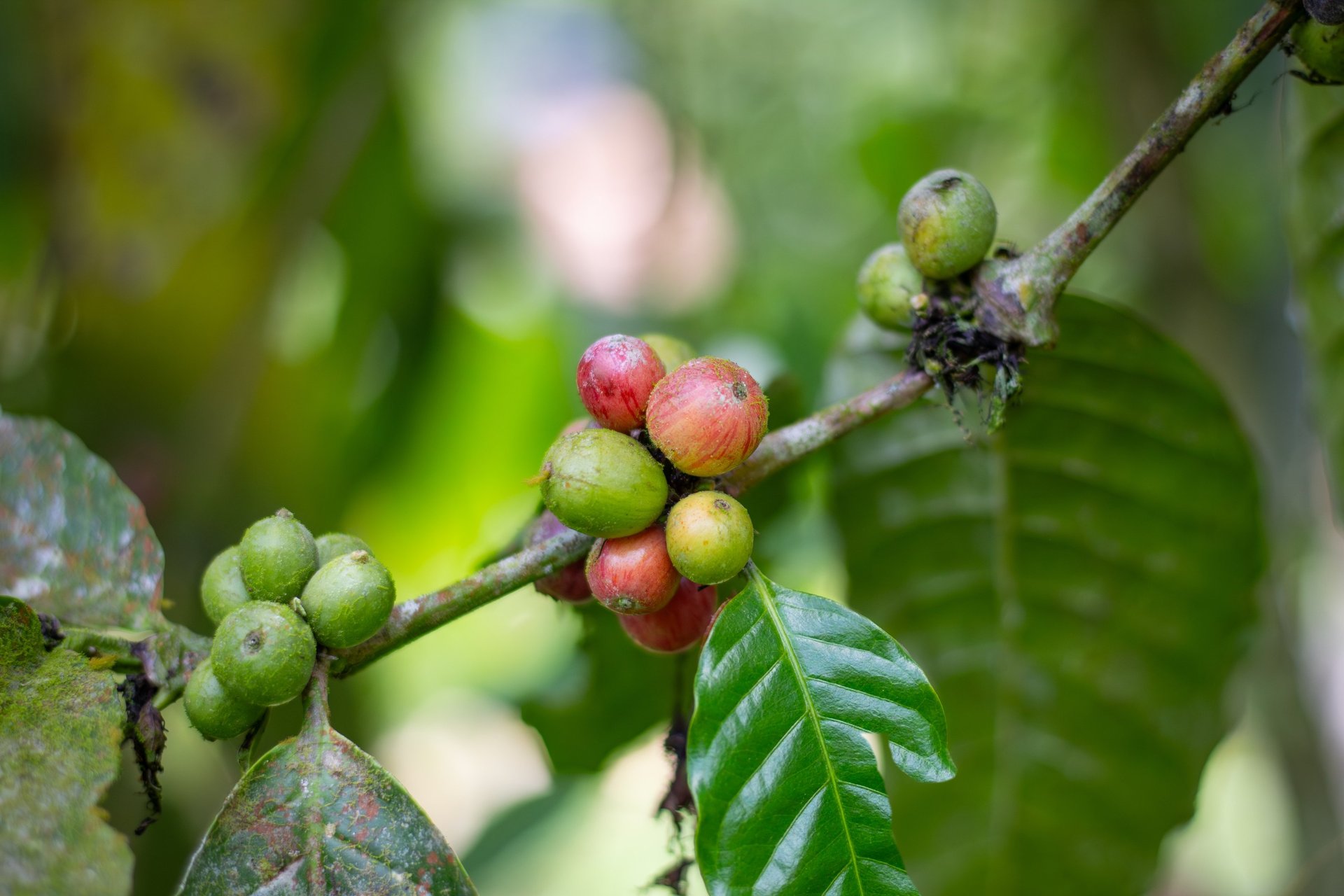
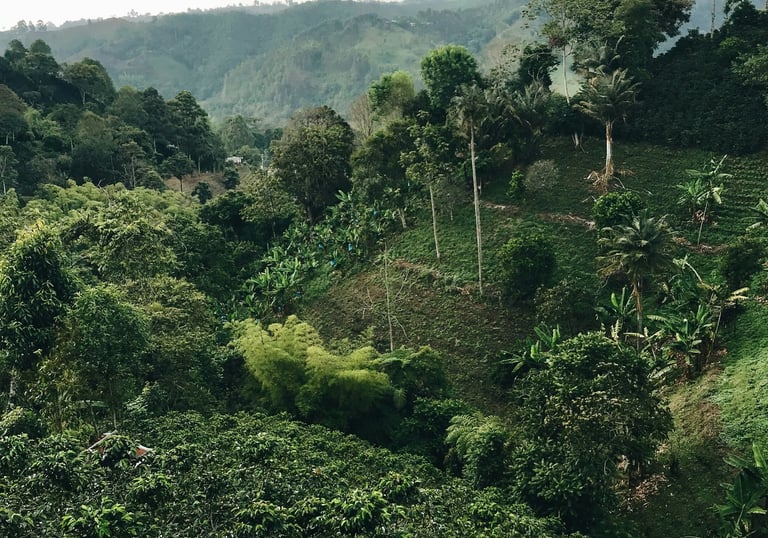
In the lush mountains of Nanegalito, coffee grows surrounded by biodiversity and a subtropical climate.
Here, altitude, rainfall, and the natural environment shape the profile of every cup.
The Setting
The Origin
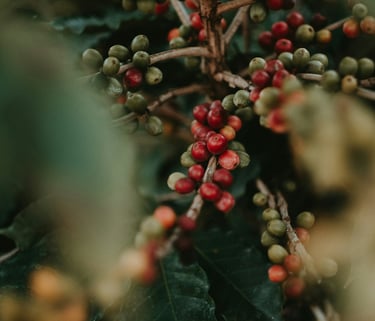
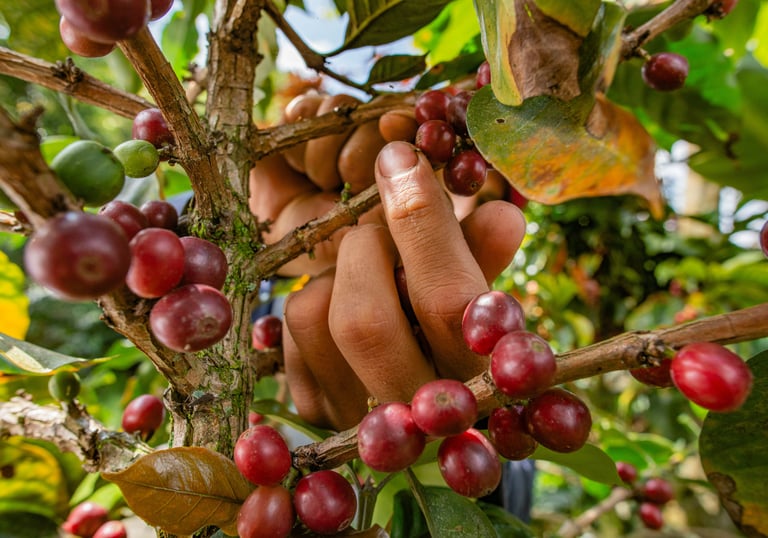
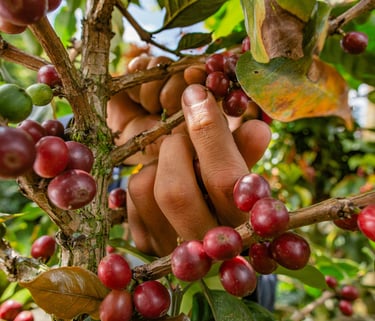
During a walk through the plantation, you’ll discover the coffee plant in its natural environment
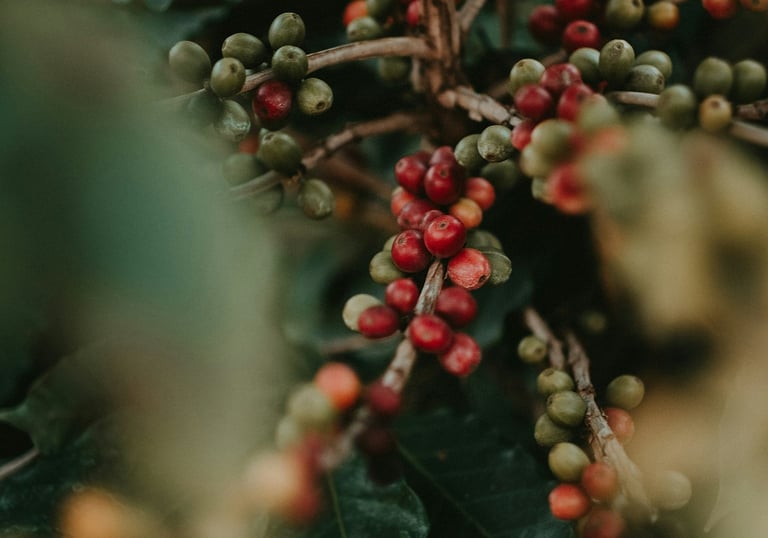
You’ll learn to identify ripe cherries and understand how cultivation practices and environmental management influence the quality of the bean
The process
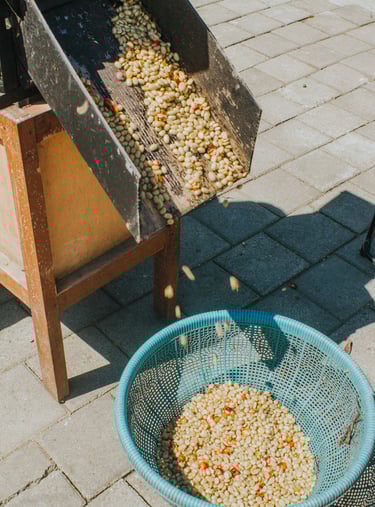
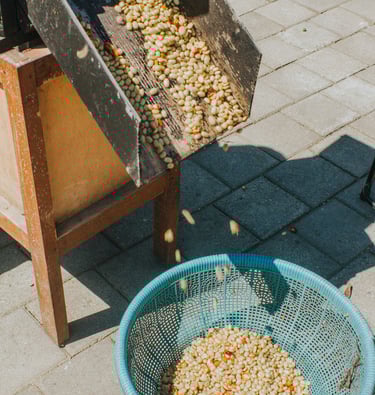
The experience continues in the post-harvest areas, where you’ll actively take part in each stage:
Bean selection, pulping, fermentation, washing, drying, and hulling
A complete journey that reveals how a fruit transforms into coffee ready to be brewed
The experience
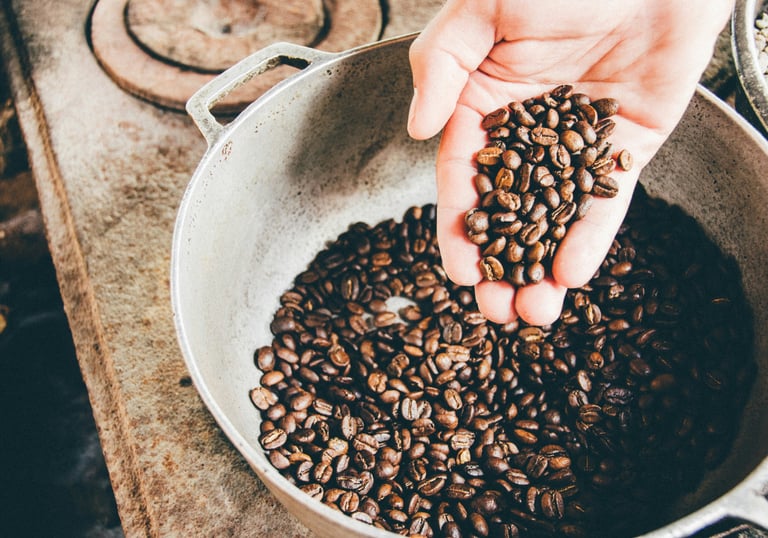
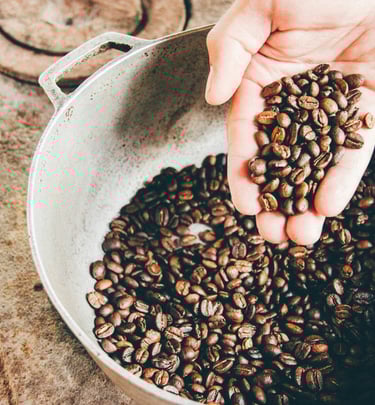
The day begins with a welcome drink and an introduction to the world of specialty coffee
You’ll explore different brewing methods—such as French press and pour-over—and discover their differences through a guided tasting
The experience is elevated with a coffee and cacao pairing, highlighting unique aromas and flavor profiles
How to Join
Private experience for small groups (4 to 15 people)
Ask about scheduled departures if you’d like to join individually
Round-trip transportation included (Quito – Nanegalito)
$90 per person
What You’ll Experience
Introduction to the coffee process
Walk through the plantation
Identification of ripe coffee cherries
Hands-on participation in post-harvest processes
Brewing methods (French press and pour-over)
Guided coffee tasting
Coffee and cacao pairing
From Tree to Bar – Puerto Quito
The setting
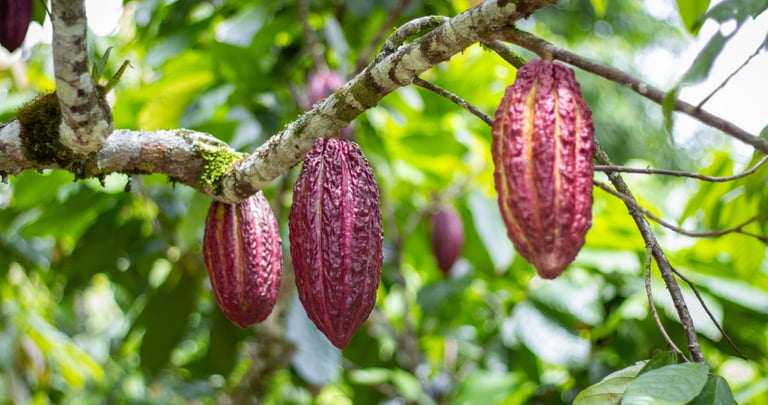
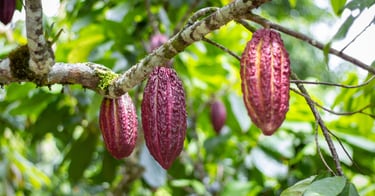
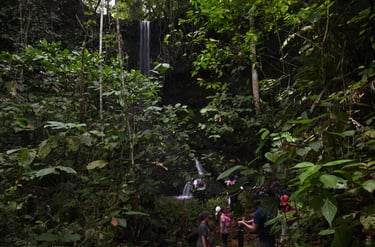
On a subtropical farm surrounded by lush forest and biodiversity, cacao grows beneath the shade of native trees that shape its character
Here, the environment—climate, soil, and vegetation—defines the flavor of the chocolate
The origin
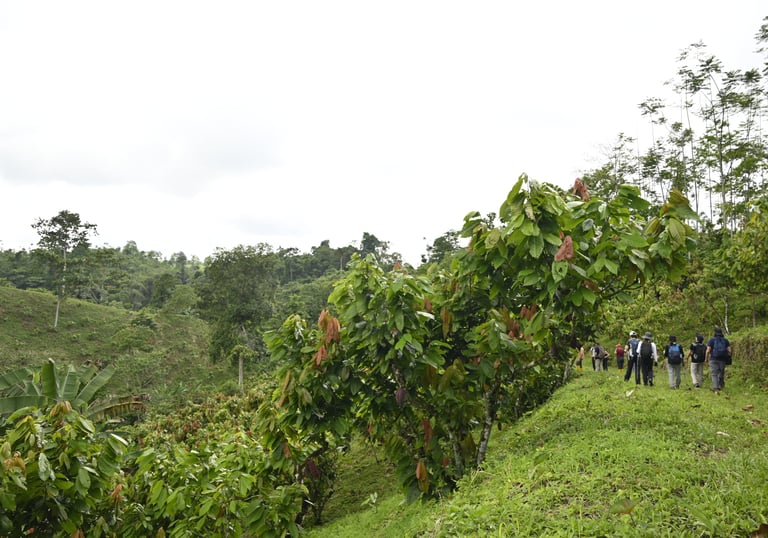
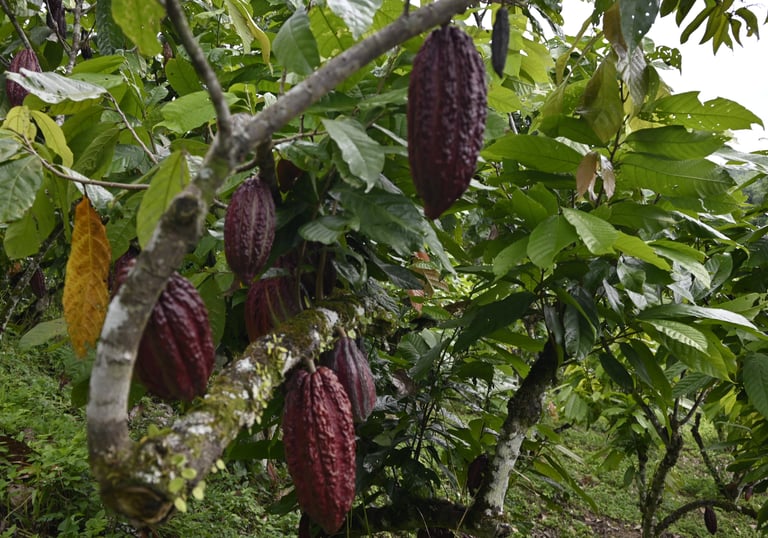
We’ll walk through cacao trails to understand how this product begins at the source
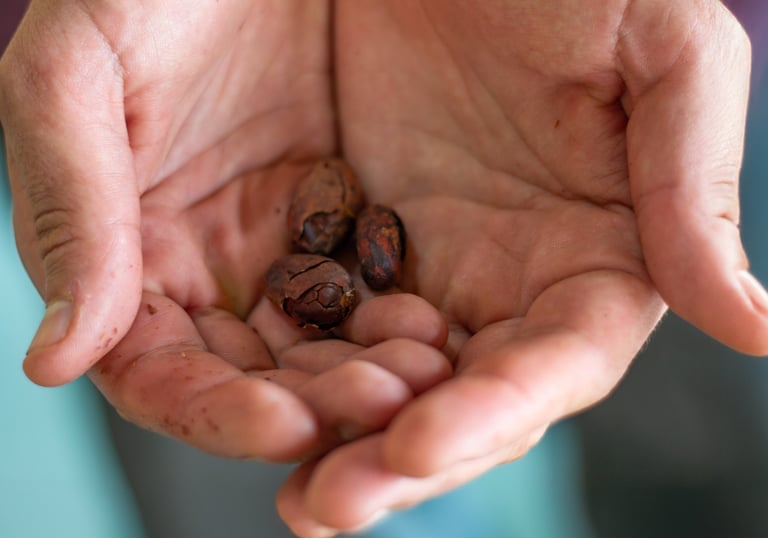
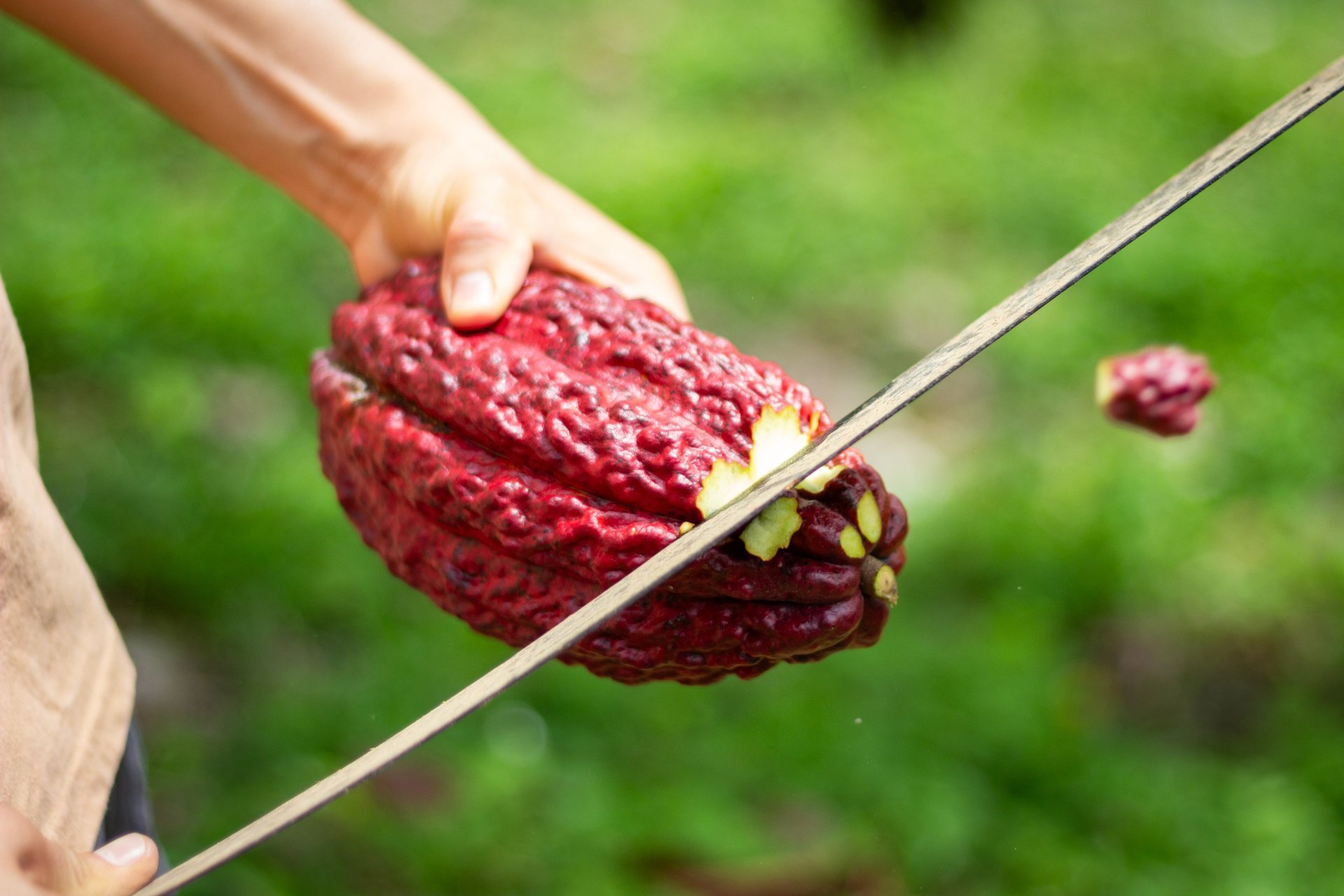
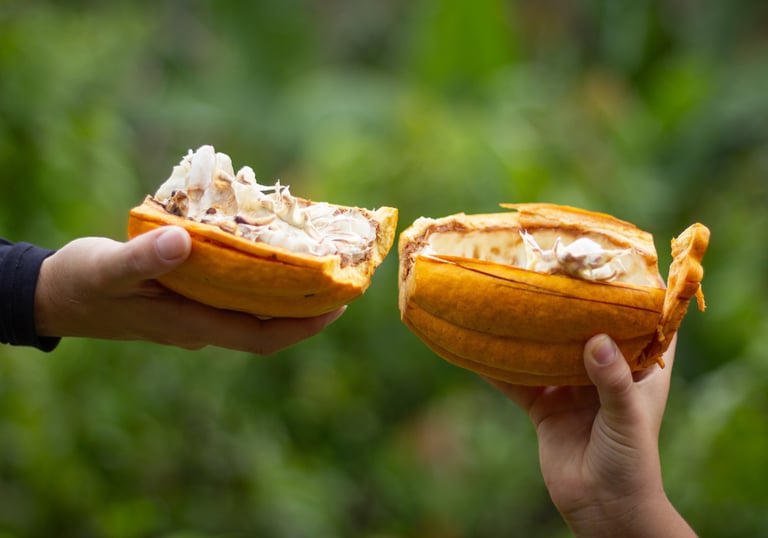
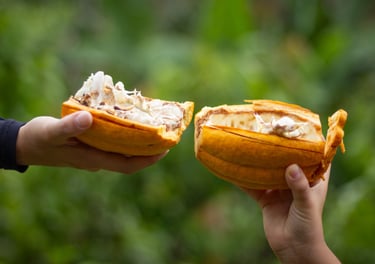
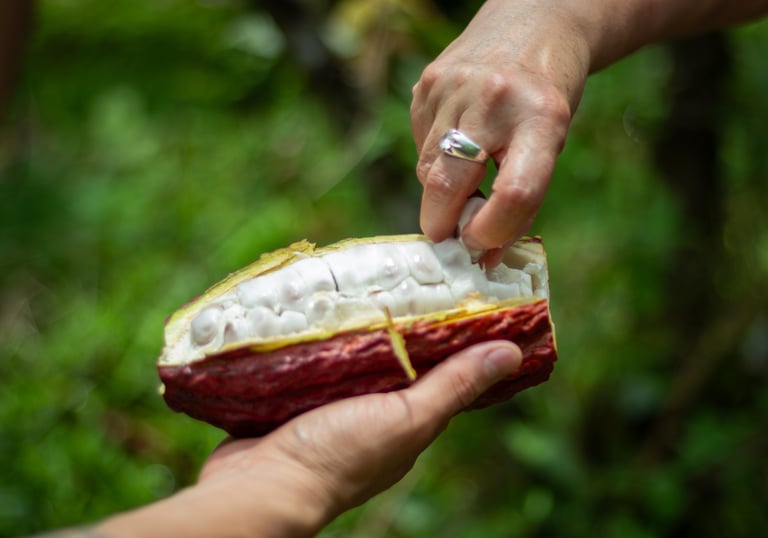
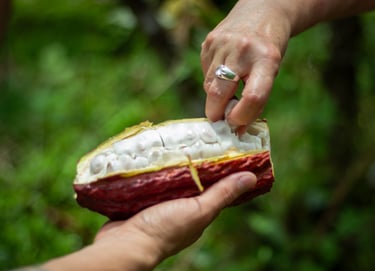
You’ll identify a ripe pod, take part in the harvest, and taste the mucilage—a naturally sweet, fruity pulp that reveals an unexpected side of cacao
The process
The experience continues in the post-harvest area, where one of the most critical stages takes place: fermentation and drying
This is where cacao develops its aromas and depth
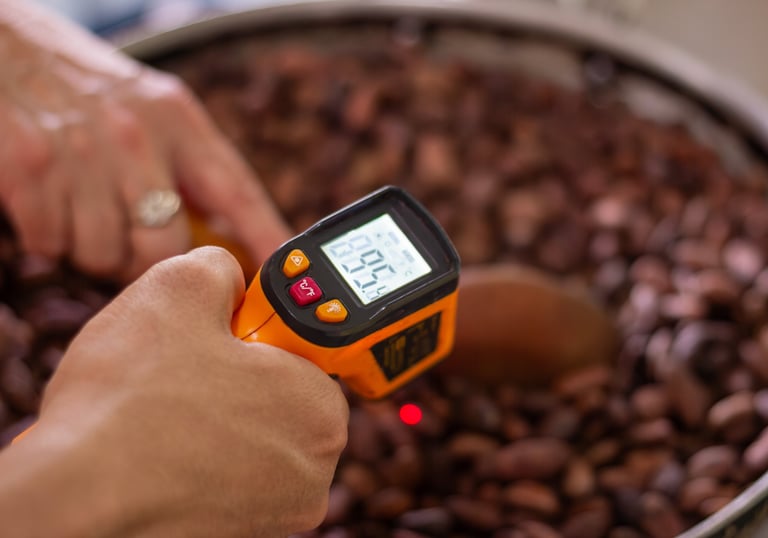
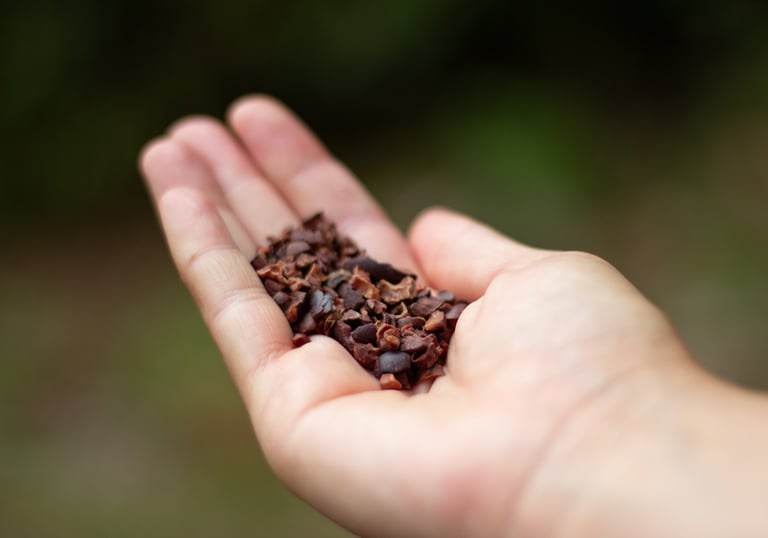
You’ll also join a hands-on roasting workshop, learning how to transform the bean, crack it, and take it through its first stages toward chocolate
The Transformation
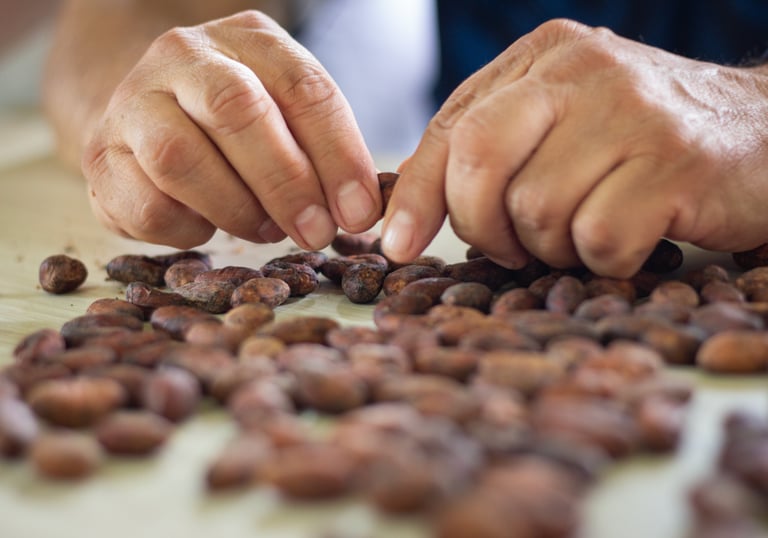
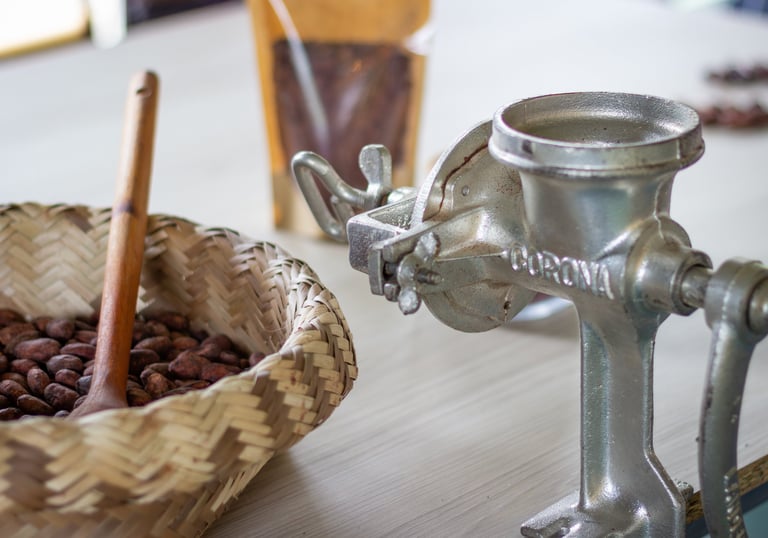
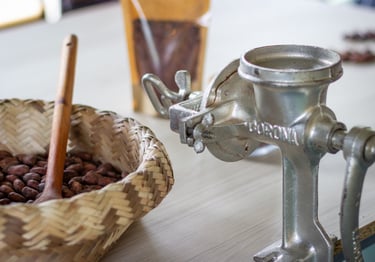
Through traditional methods, you’ll see how cacao nibs are ground on stone into a rich cacao liquor, revealing the moment where solid becomes liquid—the essence of chocolate.
The experience
The visit concludes with a guided tasting of different chocolate varieties, exploring aromas, textures, and flavor profiles.
You’ll learn how to taste chocolate using all your senses—from the snap of a bar to its lingering finish.
The experience is complemented by a tasting session and the opportunity to purchase products made directly on the farm.
What You’ll Experience
Guided walk through the cacao plantation
Cacao harvesting and mucilage tasting
Visit to fermentation and drying areas
Roasting and grinding workshop
Chocolate-making process
Guided chocolate tasting
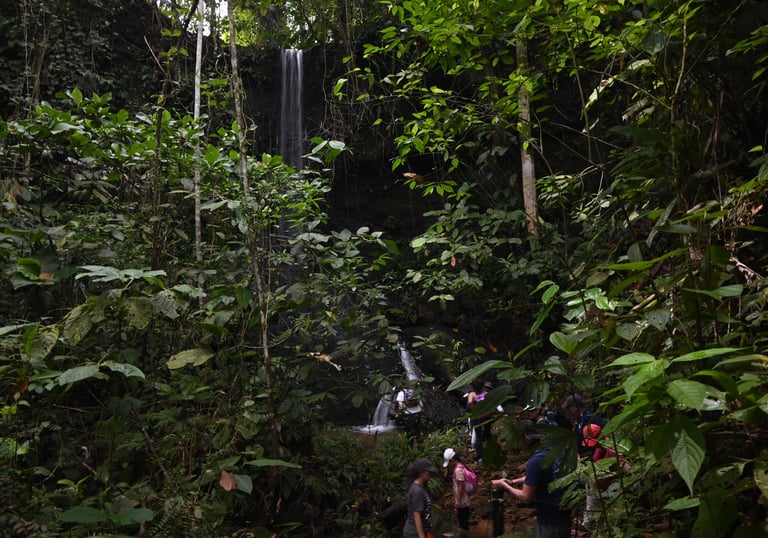
Free time to relax by waterfalls and rivers on the farm
How to join
Private experience for small groups (4 to 15 people)
Ask about scheduled departures if you’d like to join individually
Round-trip transportation included (Quito – Puerto Quito)
$62 per person